

Observational comedy begins with a familiar moment and a question: why do we all accept this? The subject can be tiny, like the tone people use when they leave a voicemail or the strange ceremony of waiting for a software update. The work is not simply pointing at something annoying. It is finding the rule underneath it, the expectation everyone shares, and the turn that makes the moment feel newly ridiculous.
What observational comedy actually does
Observational comedy turns recognition into surprise. The audience knows the setting before you explain it, whether it is a grocery store, a group chat, a family dinner, or the first five minutes of a work meeting. That shared understanding gives the bit a running start. Your job is to describe the overlooked detail precisely enough that people think, “Yes, that is exactly what happens,” then take it somewhere they did not expect.
That is why “I hate traffic” is not yet a premise. It is only a topic. The useful material lives in the smaller behavior inside it: the driver who uses a turn signal after changing lanes, the person who treats a four-way stop like a hostage negotiation, or the way every passenger becomes an unpaid traffic analyst. Specificity gives you an image. A point of view gives you a joke.
The form has room for many kinds of performers. The National Comedy Center’s look at how comedy gets made is a useful reminder that strong material depends on what a performer notices and how they shape it for an audience. You do not need to sound like the comic who first made you laugh. You need to make your own details clear enough that the room can recognize them.
1. Start with a reaction you can explain
Good observations usually begin before the joke. Something feels unfair, overcomplicated, fake, confusing, or oddly serious. Do not rush to turn that reaction into a punchline. First, write down what happened in plain language. Then ask what expectation was broken.
- What was supposed to happen? Name the ordinary rule the moment seemed to follow.
- What actually happened? Keep the detail concrete instead of describing it as generally annoying.
- Why is the difference interesting? Look for the misplaced confidence, backwards logic, or hidden performance.
- What does it resemble? A comparison can make the pattern visible fast.
For example, you might notice that everyone says “no worries” when there is clearly a worry. That does not have to become a joke about the phrase itself. It can become a bit about the social pressure to sound relaxed while holding a problem that absolutely needs a spreadsheet. The first honest reaction gives you a direction. The later lines make it funny.

2. Trade broad subjects for one clear moment
Broad topics produce broad writing. “Dating,” “work,” and “my family” have enough material for years, but none of them tells an audience where to stand. An observational bit becomes easier to write when it opens on one usable moment: the person who says they are “five minutes away” before they have put on shoes, the email marked urgent that only contains a new font choice, or the restaurant server who asks whether you have seen the menu after you have been studying it like a legal contract.
One clear moment lets you choose the details the audience needs. You can establish the setting in a sentence, then move directly to the contradiction. This also helps you cut. If a line does not make the moment clearer, raise the tension, or produce a laugh, it probably belongs in the notebook instead of the set.
A useful test is whether someone could draw the scene after hearing your setup. They should know who is there, what everyone expects, and what feels off. You are not writing a police report. You are building enough shared reality that the eventual turn has something solid to push against.
3. Find more than one angle before choosing the punchline
One observation can produce several different jokes. That is good news, because the first answer is rarely the only useful one. Try heightening the situation, comparing it to something larger, stating the hidden rule out loud, or imagining what would happen if everybody followed the logic to its most ridiculous conclusion.
Take a hotel key card that stops working every time you leave the room. You could call it a tiny inconvenience. Or you could treat it like the hotel is testing whether guests are still worthy of shelter. You could compare the walk back to the desk with returning to a king after failing a quest. You could point out that the card is trusted with your entire vacation until it meets a pocket full of lint. Each route creates a different voice.
The guide to writing jokes for stand-up has more ways to create turns from the same premise. Give yourself choices before you decide which line is cleanest. A list of possible directions is more useful than defending one early punchline because you spent an hour falling in love with it.

4. Build the bit in beats, not a pile of thoughts
A strong observation does not need a long story, but it still needs shape. Start with the normal version of the situation. Add the detail that breaks the rule. Then move through two or three connected angles so the audience can feel the idea growing. Finish with the sharpest turn, a callback, or a clean line that says what the whole bit has been pointing toward.
Think of each beat as one step the audience can take with you. If the setup is about customer-service scripts, the next beat might reveal the phrase everyone uses. The beat after that can expose what the phrase really means. The closer can be the most honest translation of the script. You do not have to explain every thought. The best lines leave enough space for people to make the connection themselves.
When you have enough material for several observations, put related ones together instead of hopping between unrelated subjects. The process for building a comedy set can help you decide which ideas belong in the same run and which need their own space. A few connected moments create momentum. Ten disconnected complaints create a customer survey with a microphone.
5. Make the audience recognize themselves, not feel accused
The most inviting observations make the room feel included. “We all do this” usually travels farther than “you people do this.” Even when the bit starts from a personal frustration, leave the audience a way into it. Show the common rule or social ritual before you take your own side.
That does not mean observational comedy has to be gentle or bland. You can be specific about a bad system, an exhausting trend, or a behavior that deserves a hard look. The difference is in the target. Punching at a recognizable pattern gives the audience something to see. Turning one random person into the whole premise usually gives them a reason to brace instead of laugh.
Keep the language as precise as the premise. “People are fake” is vague. “Everyone says ‘we should do this again’ while walking toward separate elevators” gives the room a scene. The clearer image makes the sharper joke possible.
6. Test the line out loud and listen for the exact note
Observational writing can look finished on a page before it has found its spoken rhythm. Read it aloud. Notice where you need three sentences to establish something the audience could understand in one. Pay attention to the word that has to land last, because that word is often carrying the turn.
Then test the bit in front of actual people when you can. At an open mic, do not judge the entire premise by a single laugh. Listen for the moment the room understands the situation, the place they begin to anticipate the turn, and the sentence where their attention slips. Those are separate notes. A quiet setup may need clearer detail. A quiet punchline may need a stronger angle. A laugh that arrives early may show you where the real bit starts.
The best next step is usually small. Cut one repeated phrase, move a key word, or try a different comparison. The practical advice in these stand-up comedy tips is useful here: treat a missed laugh as information, not a verdict. A working observation gets sharper through focused revisions, not a dramatic rewrite after every set.
Common observational comedy mistakes
The easiest mistake is stopping at agreement. If the audience nods because they recognize the situation, you have found the premise, not necessarily the laugh. Keep asking what the behavior reveals, what it resembles, or what would happen if its strange logic became an official rule. The first obvious line can get you into the room. The more specific second or third angle often makes the bit worth remembering.
Another mistake is treating a list of complaints as a set. Complaints can be a useful starting point, but they need a turn. Instead of announcing that an app, a store, or a social ritual is bad, show the odd bargain everyone has silently agreed to. Let the audience discover the frustration with you. That gives the joke a target without making the comic sound like they are reading a review written at 1 a.m.
Finally, do not explain the observation after the audience has already understood it. When a line lands, trust the laugh and move to the next beat. Extra explanation drains the surprise from a turn that was already clear. Keep your notes, test the wording, and let the room tell you which details it needs.
Use Chuckle to keep track of what people respond to
A clip can be a useful second read on an observational bit, especially when the premise makes sense outside the room. Choose a moment with enough setup that a new viewer knows what behavior you are describing. A reaction shot and a loud laugh can be great, but they are not a substitute for the detail that made the laugh happen.
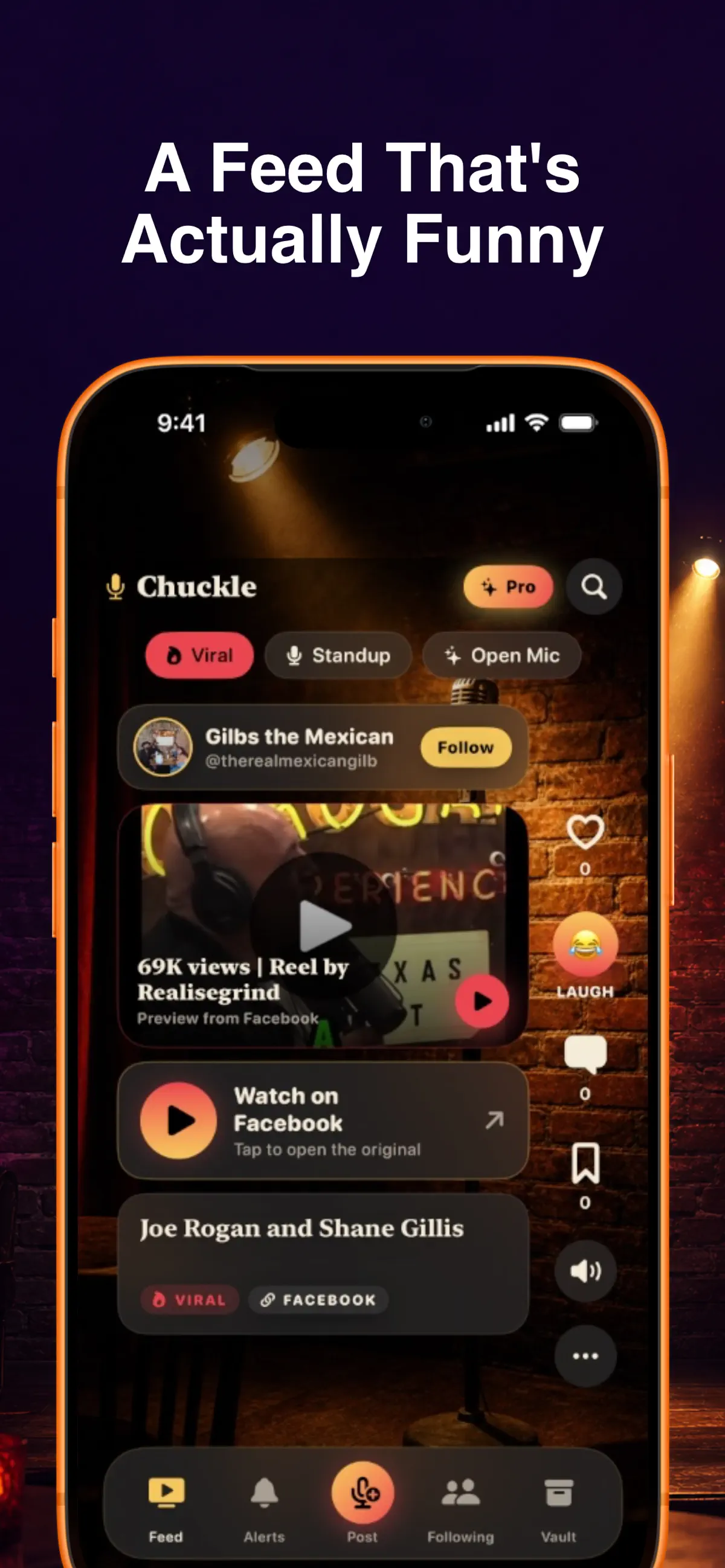
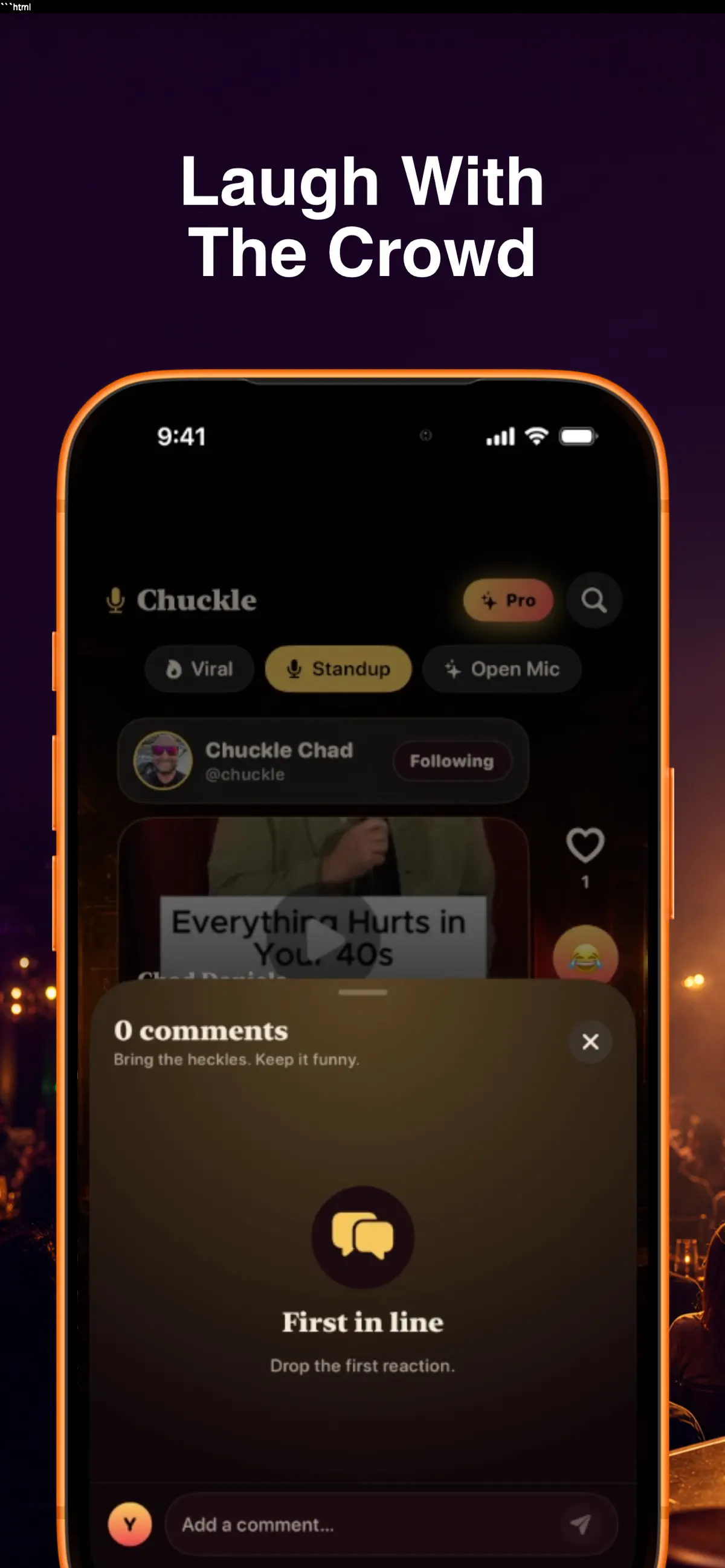
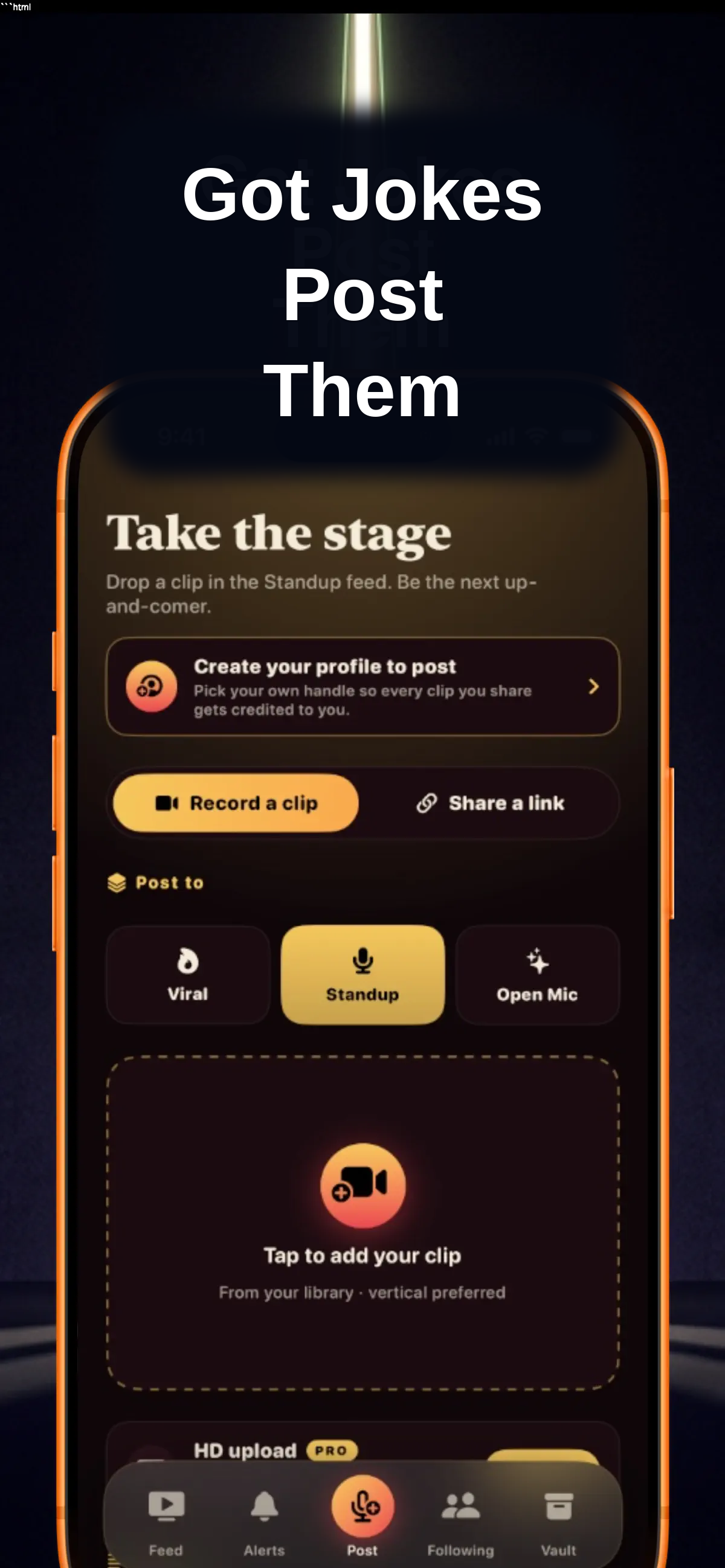
Chuckle gives comedians a place to title a clip, add context, choose a feed, and keep their work together on a profile. That makes it easier to share a bit in a form people can understand, then return to the moments that showed real promise. For a broader view of the craft, the guide to stand-up comedy styles shows how observation can sit beside stories, one-liners, character work, and crowd interaction.
A quick observational comedy checklist
- Start with a specific moment that gave you a real reaction.
- Name the expected rule before you explain why the moment breaks it.
- Find several angles, comparisons, or escalations before choosing one.
- Keep only the details the audience needs to see the scene.
- Test the rhythm aloud, then change one clear thing after each performance.
- Share clips with enough setup for someone who was not in the room.
Observational comedy does not require a grand subject. It requires attention. Keep a record of the small moments that bother, confuse, or delight you. Most will stay in the notebook. A few will open into a clear point of view, and those are the ideas worth taking to the microphone.
Frequently asked questions
Observational comedy FAQ
What is observational comedy?
Observational comedy finds the strange, frustrating, or revealing part of ordinary life and gives it a sharp point of view. The audience laughs because they recognize the situation, then hear it described in a way they had not considered before.
How do you find observational comedy ideas?
Start with specific moments that create a real reaction: a rule nobody can explain, a social ritual people perform automatically, or a tiny inconvenience that becomes much stranger when you describe it plainly. Write down the detail, the expectation, and what does not add up.
Does observational comedy have to be about everyday life?
Usually, but everyday life can include a job, a family, a niche hobby, travel, dating, technology, or any situation your audience can understand. The key is not choosing a universally famous topic. It is giving the audience enough detail to recognize the logic of the moment.
How is observational comedy different from a story?
A story follows a sequence of events, while an observational bit can stay on one idea and keep finding new angles. Many strong stand-up sets combine both: a personal story supplies the scene, then observations supply the individual laughs.